Our story
It started with one sick child
PRASM grew out of a doctor's visits to a Kayan refugee village in the hills of Mae Hong Son, and the realization that medicine alone wasn't enough.
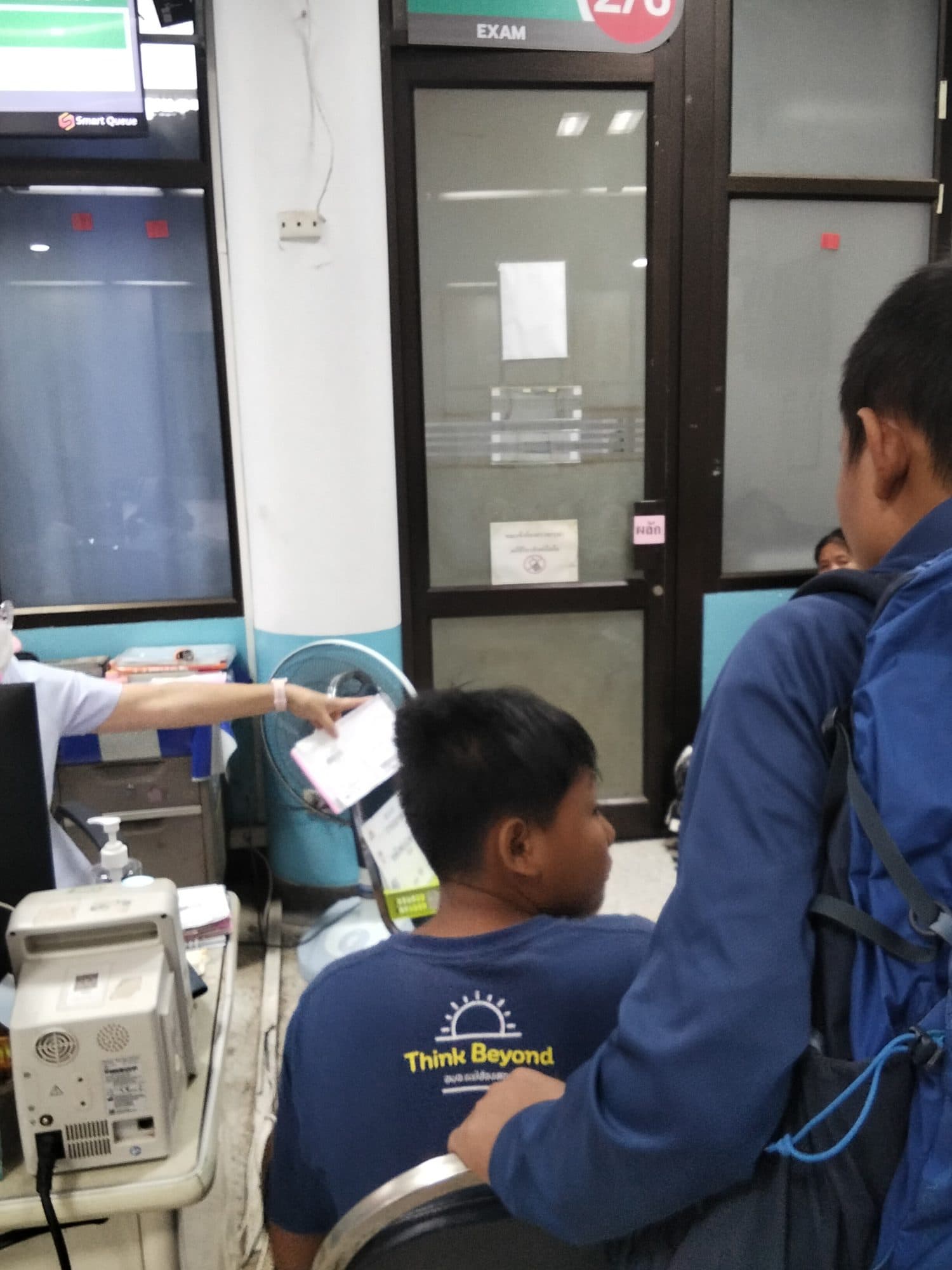
On a visit to the village, our founder — Dr. Kwon Yonghyun (권용현), a Korean physician who now lives in Thailand and teaches and counsels online — met a family that had crossed from Myanmar only the day before, their home seized by the army. One of their boys was sick, and they had no way to afford a hospital that charges refugees as if they were tourists.
He did two things. He paid for the care and the journey to reach it. And he did what doctors are trained to do: he built a record, organizing the boy's history the way one doctor hands a patient to the next.
That record did something unexpected. For a child with no papers, it became a first small proof of existence: a thread of identity where there had been none. PRASM is the idea that this can be done again, and properly, for many.
Why we exist
Mission and vision
Mission
PRASM restores health, dignity, and identity to Kayan refugees living undocumented and off-grid in the hills of Mae Hong Son, Thailand. We cover urgent medical care, support education and self-reliant living, and build a lasting record for each person, so that someone the world cannot see can finally be recognized.
Vision
A world where being undocumented no longer means being unseen, unwell, or unschooled. We work toward the day a small, conscientious team, amplified by technology and led by the community, helps a stateless people prove who they are and stand on their own.
The village
A community living lightly
Off the grid by necessity and by craft, and worth protecting.
Powered by sun
Solar panels donated from abroad drive the water pump and charge phones and lights.
Fed by the land
Gardens, chickens, and pigs provide food; meals are cooked over wood fire and preserved the old way.
Made by hand
Fabric is woven by hand. Much of daily life uses appropriate technology with little waste.
Held by each other
The whole village is supported by tribal solidarity: each person on their own path, yet carried by the community.
What we stand for
Our values
Dignity
We center agency and self-respect, never pity. People are partners, not projects.
Self-reliance
We strengthen what the community already does well, so independence grows over time.
Solidarity
We stand alongside, not above. The village leads; we help carry the load.
Honesty
We tell the truth about what we are, what we're not yet, and where support goes.
Responsibility
We adopt new tools, including AI, with care and human judgment. Technology serves the people; a person always decides, and safety comes before speed.
Stewardship
We treat every gift, every resource, and every piece of personal data as something held in trust: used sparingly, protected, and accounted for.
Stand with this community
Your support keeps people well, in school, and visible to a world that overlooked them.