Building medical records by hand
When a boy fell ill, the first thing a doctor could offer wasn't money. It was a record. Organized properly, a medical history guides care and, for someone with no papers, quietly proves a life.
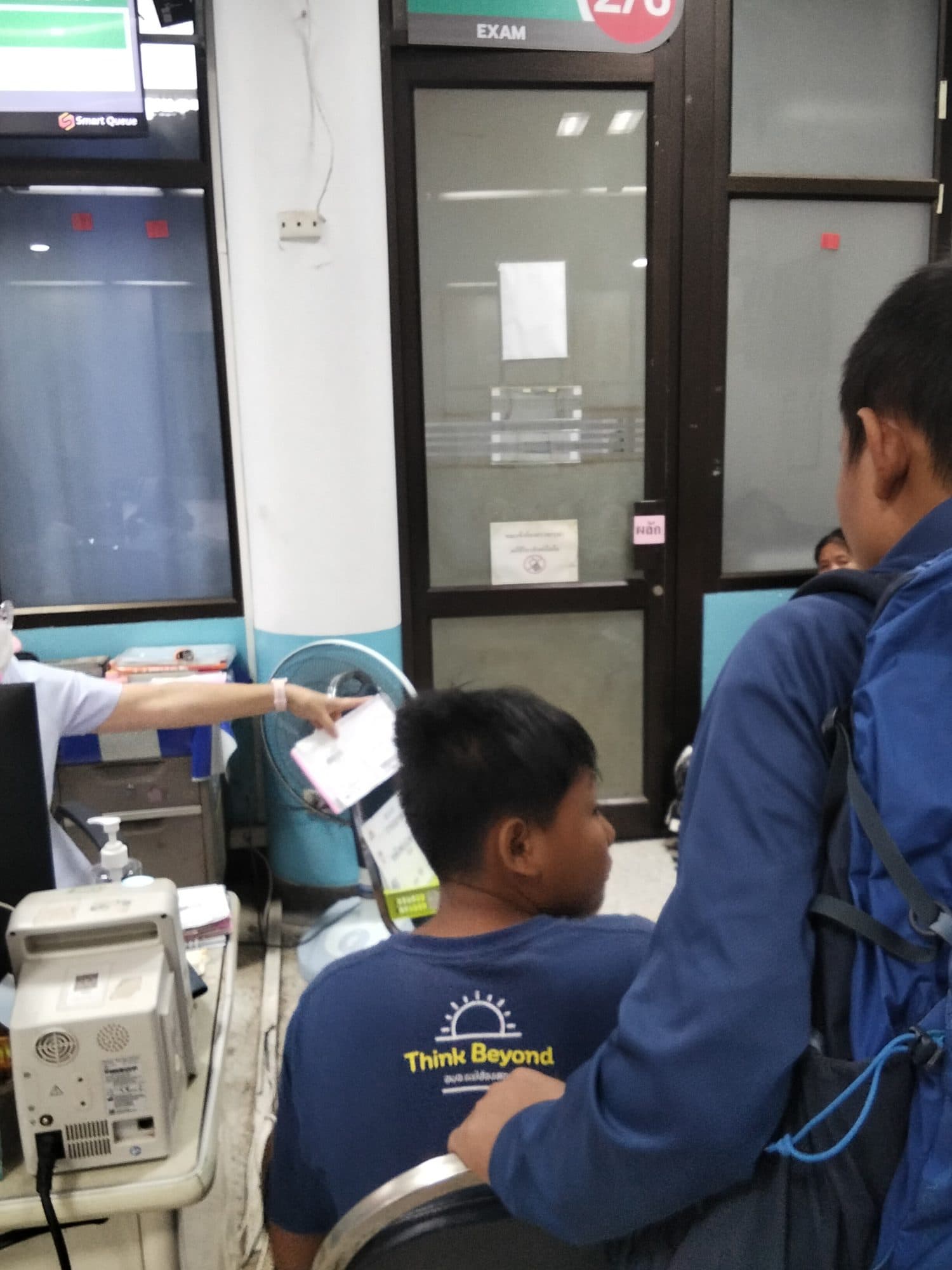
I met a family in my friend's home who had arrived from Myanmar the day before. One of their boys was sick. They wanted to see a doctor, but a clinic or hospital in Thailand charges a refugee the same as a foreign tourist, and there is no insurance to help.
I helped him the way I know how. First, I made a record. Doctors are trained to organize information systematically, so that another doctor can pick up where we left off. It is our common language.
A record is more than medicine
I also paid for the hospital bill and the transport to get there. It's expensive for a Thai family and cheap for a Westerner. Price is relative. Thankfully, the examinations found nothing serious. Nothing to worry about.
But the record stayed. For a child with no documents, that piece of paper is a beginning: evidence of who he is and that he was here. Multiply that by a whole community, and you start to see why documentation matters as much as treatment.
This 3,000 baht is much more worthy than 3,000 in another's hand. Money is tricky that way.