The people the world calls ghosts
Refugees in this village speak Burmese and carry no Thai ID. Without papers, children can't go to school and a hospital is a luxury. They are, in a bureaucratic sense, invisible.
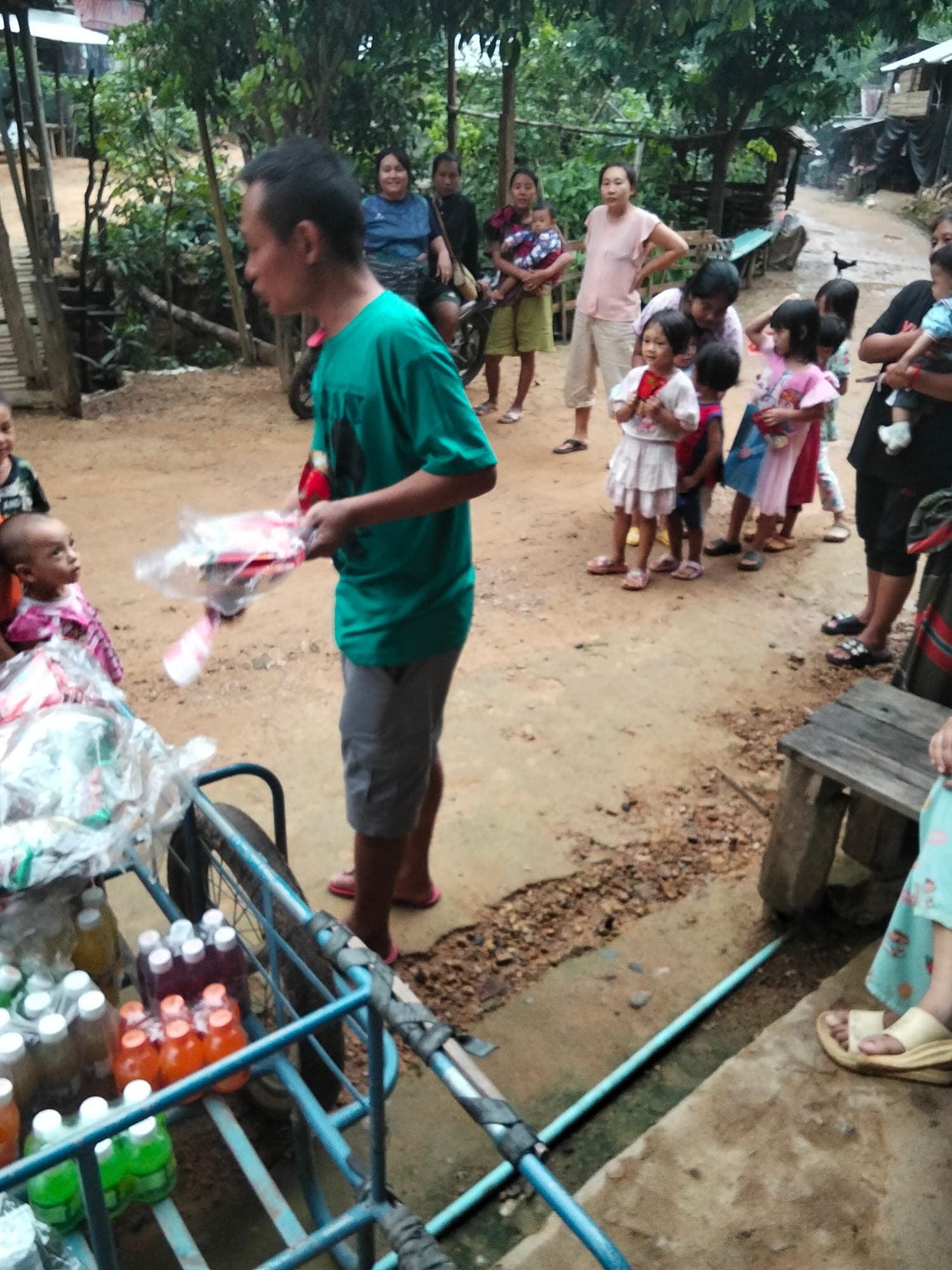
The families here came from Myanmar, where their homes were taken over by the army. They crossed into Thailand carrying what they could. They are safe from the fighting now, but they have stepped into a different kind of difficulty.
Almost no one has a Thai ID. Many of the children have no identity document at all. On paper, they barely exist. And in a world that runs on paper, that changes everything.
Why identity is the first problem
Education is complicated here. Children aren't allowed into public school without Thai ID. There's a school in the refugee camp nearby, but it needs paperwork (a birth proof, a parent's support) and someone to make the journey. For some families, none of that is possible.
Building records can prove the identity and the presence. It would contribute to paperwork and documentation, eventually.
This is the idea PRASM is built on. If we can help people be seen, with a record, a history, a name the system recognizes, then many other doors begin to open.